
Built on Trust and Quality

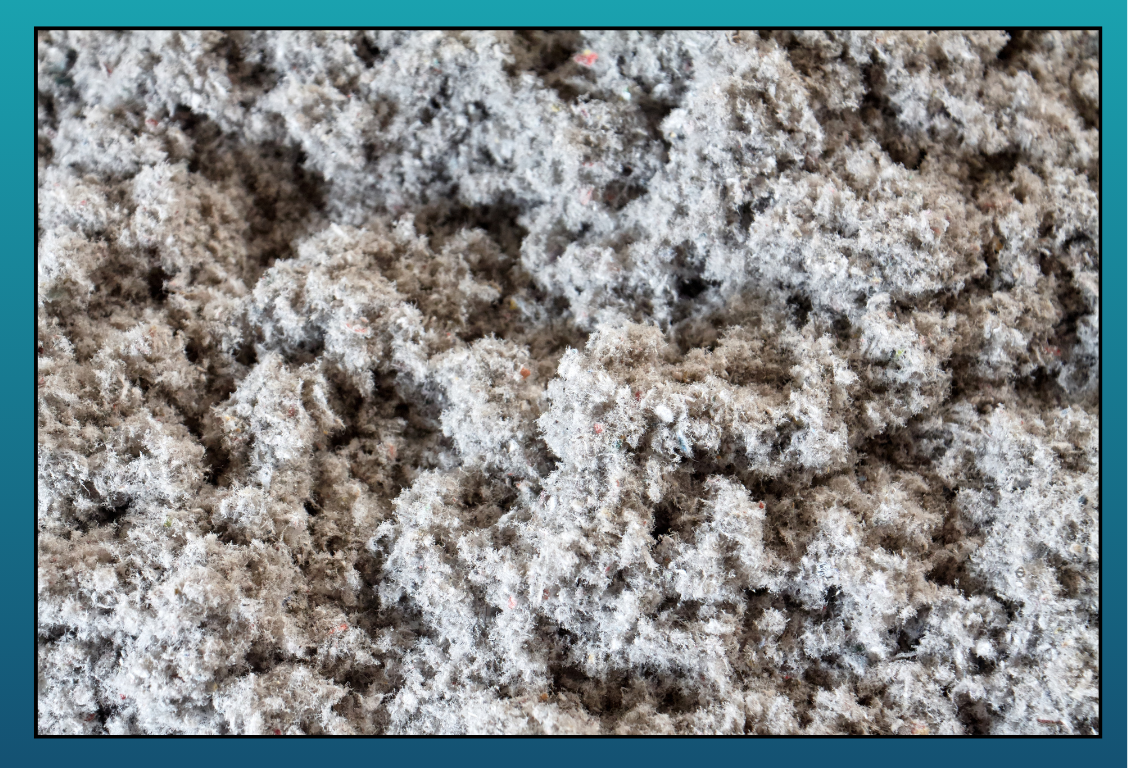
Blown insulation, often made from materials such as cellulose, fiberglass, or mineral wool, offers several benefits for homeowners seeking to improve their home's energy efficiency and comfort. One of the primary advantages is its ability to fill irregular or hard-to-reach spaces, such as attics and wall cavities, where traditional insulation methods might struggle. This ensures a more comprehensive coverage, reducing air leaks and enhancing thermal performance. Additionally, blown insulation can contribute to soundproofing, helping to dampen noise from outside or between rooms, creating a quieter indoor environment. Its installation is relatively quick and minimally invasive, often requiring less labor and time compared to other insulation types. Environmentally conscious homeowners might appreciate that some blown insulation products, like those made from cellulose, use recycled materials, thus supporting sustainability efforts. Overall, blown insulation can lead to significant energy savings, reducing heating and cooling costs while also increasing the overall comfort of a home.

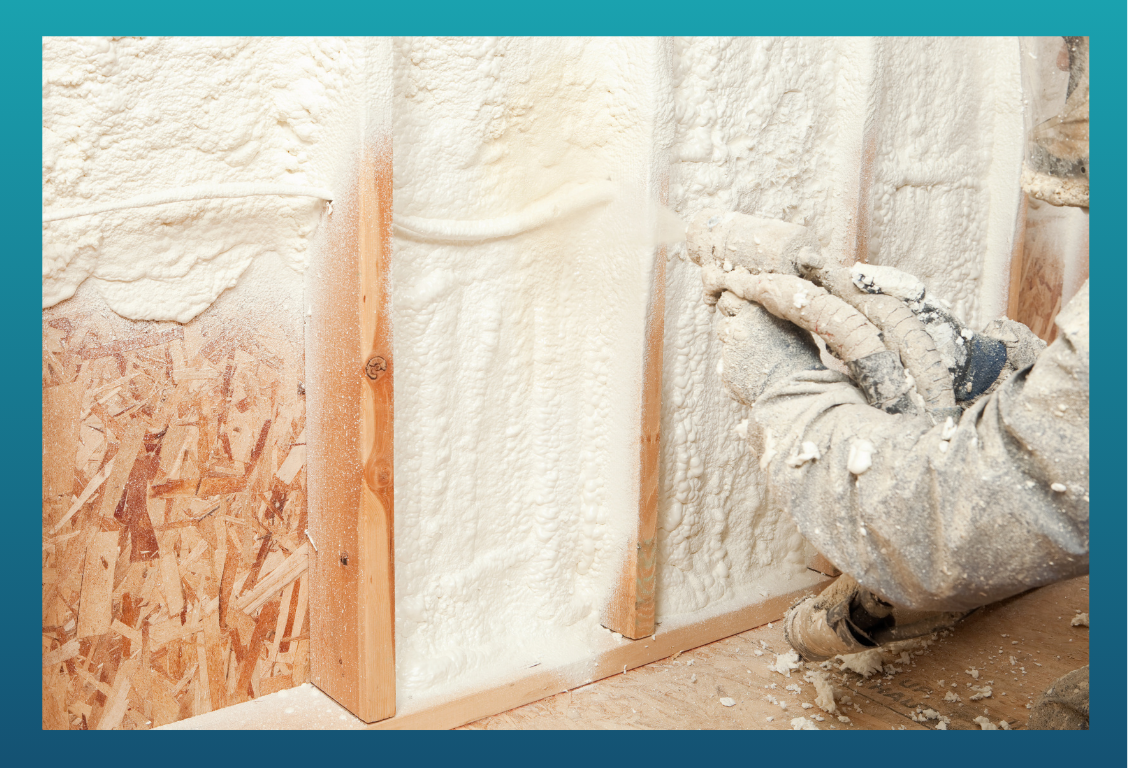
Spray foam insulation offers numerous benefits, making it a popular choice for both residential and commercial buildings. One of its primary advantages is its excellent thermal resistance, which helps maintain consistent indoor temperatures and improves energy efficiency, potentially reducing heating and cooling costs. Additionally, spray foam insulation acts as an effective air barrier, reducing drafts and minimizing air leakage, which can enhance indoor air quality by keeping out allergens and pollutants. It also provides soundproofing benefits, dampening noise from outside or between rooms. Furthermore, spray foam insulation can add structural strength to buildings, particularly in closed-cell formulations, and it resists water absorption, helping to prevent mold and mildew growth.
The two main types of spray foam insulation are open-cell and closed-cell foam, each with distinct characteristics. Open-cell foam is less dense and more affordable, with a softer, spongy texture. It is ideal for interior applications where soundproofing is desired, as it effectively absorbs sound waves. However, it has a lower R-value compared to closed-cell foam, meaning it provides less thermal resistance. In contrast, closed-cell foam is denser, offering a higher R-value and superior insulation properties. Its rigidity also adds structural support and acts as a moisture barrier, making it suitable for exterior applications or areas prone to moisture exposure. The choice between open-cell and closed-cell foam depends on specific project requirements, including budget, location, and desired insulation performance.
Roll insulation, often made from fiberglass, mineral wool or an eco-friendly and "itch-free" alternative made from recycled plastic bottles and containers, offers numerous benefits when used in interior and exterior walls, floors, and ceilings. In walls, it acts as a barrier to heat transfer, maintaining a consistent indoor temperature and reducing energy consumption for heating and cooling. This thermal efficiency translates into lower utility bills and a reduced carbon footprint. Additionally, roll insulation provides soundproofing qualities, minimizing noise transfer between rooms and from the outside, thus creating a more serene indoor environment.
In floors, roll insulation helps to prevent heat loss through the ground or unheated spaces like basements and crawl spaces, contributing to overall energy efficiency. Moreover, it can enhance comfort by warming the floor surface during colder months. For ceilings, particularly in attics, roll insulation is crucial for preventing rising warm air from escaping the house, thereby improving heating efficiency and reducing strain on HVAC systems.
Overall, roll insulation is a cost-effective, easy-to-install solution that enhances energy efficiency, comfort, and acoustic performance in both residential and commercial buildings. It also plays a role in fire resistance, providing an additional safety layer. When installed correctly, roll insulation can significantly improve indoor air quality and contribute to a more sustainable and comfortable living environment.

Ready to Start Your Project?
Send us a quick message and let’s build something great together—our team is here to help every step of the way.